Common Lawn Weeds in South East Queensland and How to Actually Get Rid of Them
A few weeds in the lawn can quickly become a much bigger problem in South East Queensland.
Our warm climate, summer rainfall and long growing season are great for lawns, but they're also great for weeds.
The key to getting them under control isn't simply spraying anything green that doesn't look like grass. You need to know what weed you're dealing with, what lawn it's growing in and why it appeared in the first place.
Here are some of the lawn weeds commonly encountered around Brisbane, the Gold Coast, Logan and the Scenic Rim, and what you can do about them.
Before You Reach for a Herbicide
Correct identification matters.
A herbicide that is suitable for one weed or turf variety may be ineffective or damaging to another.
This is particularly important with popular South East Queensland grasses such as:
- Couch
- Buffalo
- Kikuyu
- Zoysia
Always check the product label to confirm that the herbicide is suitable for both the weed you're treating and your lawn variety.
Follow the label directions for application rates, weather conditions, protective equipment, re-entry periods and any restrictions involving children, pets or nearby plants.
If you're unsure what the weed is, identify it before treating it.
Bindii
Bindii is probably one of Australia's best-known lawn weeds, mainly because people discover it when the prickly seed heads start hurting bare feet.
The plant itself grows relatively flat to the ground and can be easy to overlook before the burrs develop.
When should you treat bindii?
The best approach is generally to control bindii before it produces mature prickles.
That means dealing with the plant while it is actively growing rather than waiting until the lawn is already full of painful burrs.
A selective broadleaf lawn herbicide labelled for bindii may be suitable, but compatibility with your turf variety needs to be checked carefully.
Once mature burrs have formed, killing the plant doesn't magically remove the prickles already sitting in the lawn.
Early treatment is much easier.
Clover
Clover is easy to recognise by its distinctive leaves and can spread through lawns relatively quickly.
A small amount may not bother everyone, but once established it can compete with turf and create obvious patches.
Selective broadleaf herbicides can control clover in suitable lawn varieties.
But recurring clover can also be a clue that the lawn itself isn't particularly competitive.
Improving turf density through appropriate mowing, watering and nutrition can help make it harder for weeds to continually recolonise bare areas.
Nutgrass
Nutgrass is one of the more frustrating weeds to deal with.
Despite its appearance, it isn't simply another type of lawn grass. It is a sedge and can reproduce through underground structures.
Pulling the visible shoots often doesn't solve the problem because material remaining below the surface can produce new growth.
How do you control nutgrass?
Nutgrass generally requires a herbicide specifically labelled for sedges or nutgrass and suitable for the turf species being treated.
Repeated treatment may sometimes be necessary.
Avoid assuming that a general broadleaf lawn weed killer will control it. Different weeds require different active ingredients.
Mullumbimby Couch
Despite the name, Mullumbimby couch isn't a desirable couch grass.
It is another sedge that thrives in moist conditions and can form dense patches in lawns.
Persistent wet areas, poor drainage or overwatering can help it establish.
As with nutgrass, control normally requires a product specifically labelled for the target sedge and compatible with your lawn.
Addressing consistently wet conditions can also be important if the weed keeps returning.
Creeping Oxalis
Oxalis commonly appears as a low-growing weed with small clover-like leaves and yellow flowers.
It can spread through thin areas of turf and become difficult to remove completely once established.
Hand removal can work for isolated plants, particularly if you remove the roots before the infestation spreads.
For larger infestations, a selective herbicide labelled for oxalis and the relevant turf variety may be appropriate.
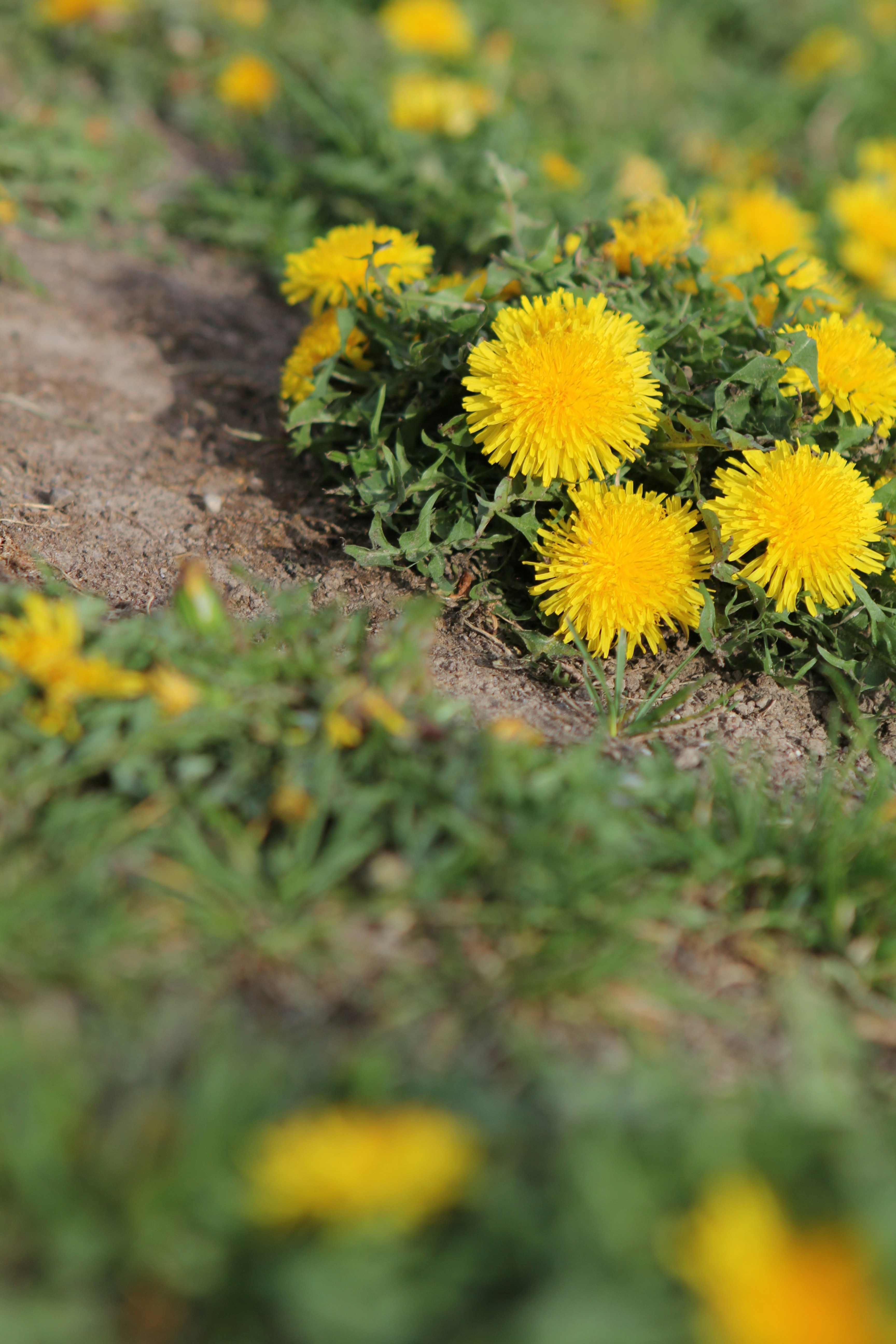
Dandelion and Other Broadleaf Weeds
Dandelions and similar broadleaf weeds stand out clearly against lawn grasses.
Small numbers can often be removed manually. Try to remove the taproot rather than simply breaking off the leaves.
For larger infestations, an appropriate selective broadleaf herbicide can control the weeds while leaving compatible turf intact.
Again, selective doesn't mean safe for every lawn. Always check the label.
Summer Grass and Other Grassy Weeds
Grassy weeds can be more complicated because the unwanted plant and your lawn are both grasses.
That means you can't necessarily use the same approach you would for a broadleaf weed growing in couch or buffalo.
Summer grass can germinate as temperatures rise and establish rapidly in weak or bare areas.
Prevention becomes particularly valuable here.
Maintaining dense turf reduces the open soil and thin areas where weed seeds can establish.
Depending on your turf variety and the target weed, specific pre-emergent or selective herbicides may be available.
Correct identification is particularly important before treating grassy weeds.
Why Do Weeds Keep Coming Back?
Killing weeds deals with the existing plants.
It doesn't necessarily deal with why they were able to establish.
Persistent lawn weeds can be associated with conditions such as:
- Thin or unhealthy turf
- Bare soil
- Mowing too short
- Poor drainage
- Excessive moisture
- Compacted soil
- Inappropriate watering
- Poor nutrition
- Weed seeds entering from surrounding areas
If you repeatedly treat weeds without improving the lawn, you can end up in a cycle where new weeds simply occupy the same space.
Mowing Height Matters
Cutting a lawn extremely short can weaken the turf and expose more soil to sunlight.
That can create opportunities for weed seeds to germinate.
Maintaining an appropriate mowing height for your grass variety helps the turf remain dense and competitive.
Regular mowing is generally preferable to allowing the lawn to become very long and then cutting it severely.
For more information, see our guide to how often you should mow your lawn during a Brisbane summer.
Should You Catch Lawn Clippings When There Are Weeds?
It depends on the weed and its stage of growth.
If weeds are producing mature seeds, collecting heavily contaminated clippings may help avoid spreading those seeds around the property.
For ordinary mowing of a healthy lawn, clippings aren't automatically a problem.
The important distinction is whether you're mowing healthy grass or distributing mature weed seeds across areas that weren't previously affected.
Can You Just Pull Lawn Weeds Out?
For small infestations, absolutely.
Hand removal can be one of the simplest control methods available.
The important part is removing enough of the root or underground structure to prevent immediate regrowth.
This is relatively straightforward with some broadleaf weeds but much more difficult with weeds such as nutgrass.
Removing weeds after rain can sometimes make hand-pulling easier because the soil is softer.
Be Careful Around Garden Beds and Trees
A herbicide being safe for a particular lawn does not mean it is safe for every plant around it.
Spray drift can damage garden plants, vegetables and ornamentals.
Apply products according to their labels and avoid spraying in unsuitable windy conditions.
More chemical is also not automatically better. Increasing the concentration beyond the labelled rate can damage turf and surrounding plants without producing better weed control.
The Best Weed Control Is a Healthy Lawn
Herbicides can be useful tools, but one of the best long-term defences against lawn weeds is simply maintaining healthy, dense turf.
That means:
- Mowing at an appropriate height
- Mowing regularly
- Watering appropriately
- Addressing drainage problems
- Avoiding unnecessary scalping
- Maintaining suitable lawn nutrition
- Repairing bare or damaged areas
A thick lawn leaves less space for weeds to establish.
Lawn Maintenance Across South East Queensland
Blades of Steele provides lawn and garden maintenance across Brisbane, the Gold Coast, Logan and the Scenic Rim.
Our focus is regular mowing and property maintenance rather than specialist chemical lawn-treatment programs, but good mowing practices play an important role in maintaining a healthy-looking lawn.
You can check our residential mowing prices or request a quote for regular lawn maintenance.
For larger properties, we also provide Gold Coast acreage mowing, Scenic Rim acreage mowing, Logan acreage mowing and Brisbane acreage mowing.